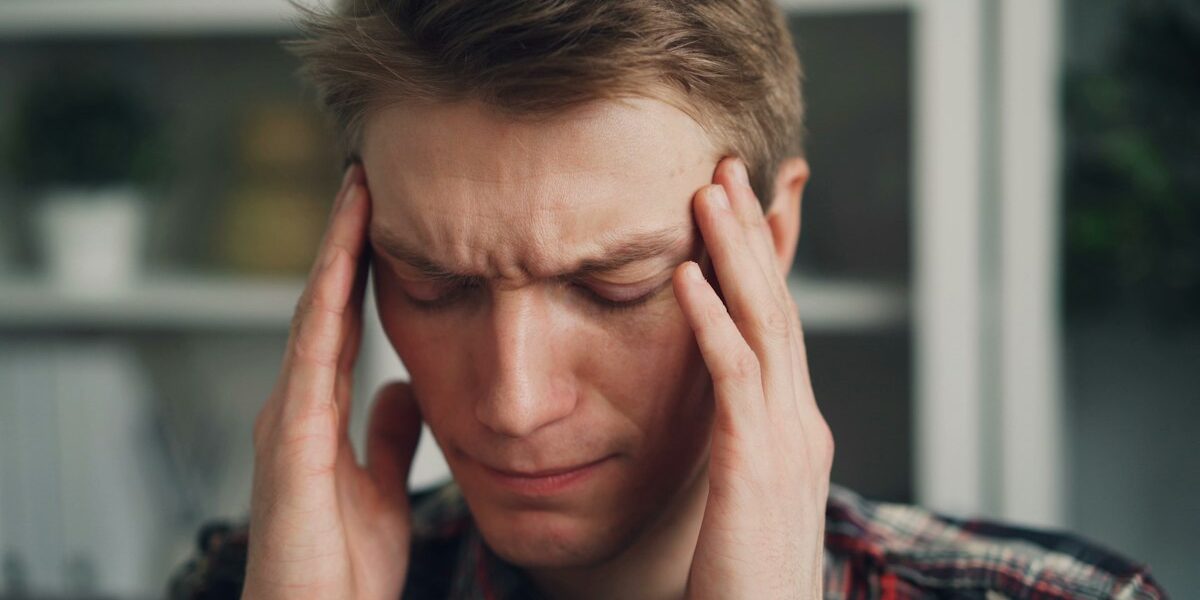
If you live with migraines, you may have noticed a pattern: as the weather turns cold here in coastal Delaware, your headaches seem to show up more often, last longer, or hit harder. You are not imagining it. Many migraine sufferers report that late fall and winter are their toughest months.
The good news is that many winter triggers are predictable, and some are within your control. Here is what tends to change this time of year, and what you can do about it.
Why Migraines Often Get Worse in Winter
1. Barometric pressure swings. Cold fronts and coastal storms bring rapid changes in air pressure. Many people with migraines are sensitive to these shifts and notice a headache building a day or two before the weather changes.
2. Dry indoor heat and dehydration. Heated indoor air is dry, and most of us drink less water when it is cold outside. Even mild dehydration is a common migraine trigger.
3. Less daylight and disrupted sleep. Shorter days can shift your sleep schedule and energy levels. Irregular sleep, too much or too little, is one of the most frequently reported migraine triggers.
4. Holiday stress and schedule changes. Travel, late nights, skipped meals, extra caffeine, and holiday food and drinks all add up. For many people, it is the combination of triggers, not any single one, that tips them into a migraine.
5. Cold-weather posture. When it is cold, we tend to hunch our shoulders, tense our necks, and spend more time indoors looking down at phones and screens. That added strain on the upper neck can contribute to tension that feeds into headaches.
The Upper Neck and Migraine Connection
The top of your neck sits right next to the brainstem and the nerves and blood vessels that travel between the head and body. The atlas, the first bone of the spine, supports the weight of your head and plays a key role in how well this area moves and functions.
When the atlas shifts out of its proper position, whether from an old injury, a fall, or years of poor posture, it can create tension in the surrounding muscles and stress on nearby structures. Old neck injuries, concussions, and whiplash can all affect this delicate area, sometimes years after the original injury.
At Ocean View Migraine and Chiropractic Center, we use the Atlas Orthogonal Technique, a gentle, precise upper cervical adjustment with no twisting, cracking, or popping. Restoring proper alignment at the top of the neck may help reduce strain in this area, and many patients report fewer or less intense headaches over time.
7 Practical Tips to Help Prevent Winter Migraines
- Keep a water bottle within reach. Aim to drink steadily throughout the day, not just when you feel thirsty.
- Use a humidifier. Adding moisture to dry indoor air can make heated rooms more comfortable.
- Protect your sleep schedule. Go to bed and wake up at about the same time every day, including weekends and holidays.
- Get outside in daylight. Even a short morning walk can help with energy and sleep rhythm.
- Do not skip meals. Busy holiday schedules make this easy to forget, but steady meals help keep blood sugar stable.
- Watch your posture. Raise your phone to eye level, take breaks from screens, and gently roll your shoulders back and down throughout the day.
- Track your triggers. Note the weather, sleep, food, and stress around each migraine. Patterns often become clear within a few weeks.
When to Seek Care
Some headaches need prompt medical attention. Seek emergency care right away if you experience a sudden, severe “worst headache of your life,” a headache with fever and a stiff neck, confusion, weakness, numbness, vision loss, or trouble speaking, or a headache after a significant head injury.
For recurring migraines, it is always a good idea to work with your primary care provider or neurologist. Upper cervical care is designed to complement, not replace, your medical care.
Get Ahead of Migraine Season
If winter tends to be your toughest migraine season, now is a great time to have your upper neck evaluated. Dr. Kyle DePollar is Delaware’s only CCAO-certified Atlas Orthogonal chiropractor and focuses on head and neck conditions, including migraines, vertigo and dizziness, and TMJ.
Call us at 302-319-5111 or book online to schedule your evaluation. Have questions first? Visit our FAQ page.
About the author: Dr. Kyle DePollar, DC, MS, CCAO, CCSP, CCEP, is the founder of Ocean View Migraine and Chiropractic Center in Ocean View, DE, and Delaware’s only chiropractor certified in the Atlas Orthogonal Technique. This article is for educational purposes and is not a substitute for individual medical advice.